Investing
Is crypto legal in Pakistan in 2026? What the law allows now
Crypto is legal in Pakistan in 2026 as a regulated activity under the Virtual Assets Act 2026. As of 8 Oct 2026 PVARA lists no licensed exchange.
Investing · Money
Forex trading is legal in Pakistan only through SECP-licensed brokers on PMEX. Sending money to offshore forex apps breaks FERA, SBP said in May 2022.
AI Summary
Forex trading is legal in Pakistan only through a broker licensed by SECP to trade on PMEX, Pakistan's regulated futures exchange. Offshore forex, margin and CFD apps are a different story: SBP told banks on 18 May 2022 that buying their products breaks section 4(1) of the Foreign Exchange Regulation Act, 1947, and that paying them from Pakistan is not allowed. SECP warned in April and May 2025 that unlicensed platforms offer no legal recourse. Check any broker on PMEX's broker list first.
Forex trading is legal in Pakistan only through a broker licensed by SECP (Securities and Exchange Commission of Pakistan) to trade on PMEX, the country’s regulated futures exchange. Offshore forex apps are not a legal route: on 18 May 2022 the State Bank told banks that sending money abroad to offshore forex, margin or CFD platforms is not allowed under the Foreign Exchange Regulation Act, 1947 (FERA).
Paying an offshore forex app from Pakistan
Not allowed
SBP EPD Circular Letter No. 08 of 2022, under FERA sections 4(1) and 5(1)
It depends on where your money goes.
The State Bank also said no permission has been given under section 5(1) of FERA to send money to such platforms “through any payment channel”. Banks must warn customers, block these payments and can face penalties if they let them through.
The legal route is PMEX. Here is how it compares with an offshore app, as of October 2026:
| PMEX through a licensed broker | Offshore online broker or app | |
|---|---|---|
| Regulator | SECP | No Pakistani regulator (SECP, April 2025) |
| Sending money | To a licensed broker in Pakistan | Remitting abroad is not allowed (SBP, May 2022) |
| Legal status for you | Permitted | Buying their products breaks FERA s.4(1) |
| If something goes wrong | Broker and exchange are SECP-regulated | SECP: “no legal protection or recourse” |
| What banks must do | Not covered by SBP’s 2022 circular | Block payments to these platforms |
The table covers legality, not profit. PMEX futures are traded on margin, so a small price move can wipe out the money you put down.
Not as a legal route for people living in Pakistan. Exness is an offshore broker. Its own regulation page, checked on 21 Oct 2026, lists licences from regulators in Seychelles, Curaçao and Sint Maarten, the British Virgin Islands, Belize, Mauritius, Kenya, Jordan, South Africa, Cyprus and the UK. None is from Pakistan: there is no SECP licence and no PMEX listing among them.
Exness says its Seychelles, Curaçao, BVI and Belize companies serve “selected jurisdictions outside the European Economic Area”. Its Cyprus and UK companies don’t take retail clients, and its Kenya, Jordan and South Africa companies run separate local websites.
What that means for you:
PMEX is Pakistan Mercantile Exchange, the country’s futures exchange. Its corporate page says SECP licenses it as a futures exchange under the Futures Market Act, 2016, and that it has been fully operational since 2007. It lists futures on metals, energy, farm products and financial instruments. You don’t trade on PMEX directly: you trade through a broker registered with PMEX and supervised by SECP.
PMEX also lists currency-pair futures such as EUR/USD, GBP/USD and USD/JPY, in lots of 10,000 units, according to a PMEX member broker’s trading guide. PMEX’s website blocked our access on 8 October 2026, so we couldn’t check its current contract list. Check it there before you trade.
SECP says the lists of authorised brokers are on the websites of the Pakistan Stock Exchange and Pakistan Mercantile Exchange. Before you open an account:
which.pk doesn’t recommend any broker. A name on the list means it is licensed, not that it is cheap or good. Stockbrokers are checked the same way on PSX’s list: see PSX account opening.
We couldn’t find a Shariah ruling on PMEX futures, from PMEX or SECP, that we could open and check. If this matters to you, take PMEX’s contract terms (margin, settlement and expiry) to a qualified Shariah scholar.
For other ways to put money to work, see investment options in Pakistan, how to invest in PSX and National Savings certificates. If you are being offered crypto instead of forex, read is crypto legal in Pakistan.
More guides: Investing, how to buy crypto in Pakistan, mutual funds in Pakistan.
Only through an SECP-licensed futures broker trading on PMEX. SBP said on 18 May 2022 that sending money abroad to offshore forex, margin or CFD platforms is not allowed under the Foreign Exchange Regulation Act, 1947.
PMEX, the futures exchange regulated by SECP, accessed through one of its licensed brokers. SECP says authorised broker lists are on the PSX and PMEX websites. We don't recommend any broker.
Pakistan Mercantile Exchange, the futures exchange regulated by SECP. SECP licenses it under the Futures Market Act, 2016, and PMEX says it has been fully operational since 2007. It lists futures on metals, energy, farm products and financial instruments.
Not as a legal route for residents. Exness's own regulation page, checked 21 Oct 2026, lists licences in Seychelles, Curaçao, the British Virgin Islands, Belize, Mauritius, Kenya, Jordan, South Africa, Cyprus and the UK, but none from Pakistan. SBP's May 2022 circular, which named OctaFX, says residents may not pay offshore forex, margin or CFD platforms.
We couldn't find a Shariah ruling on PMEX futures from PMEX or SECP that we could open. This is a question for a qualified Shariah scholar, using PMEX's own contract terms.
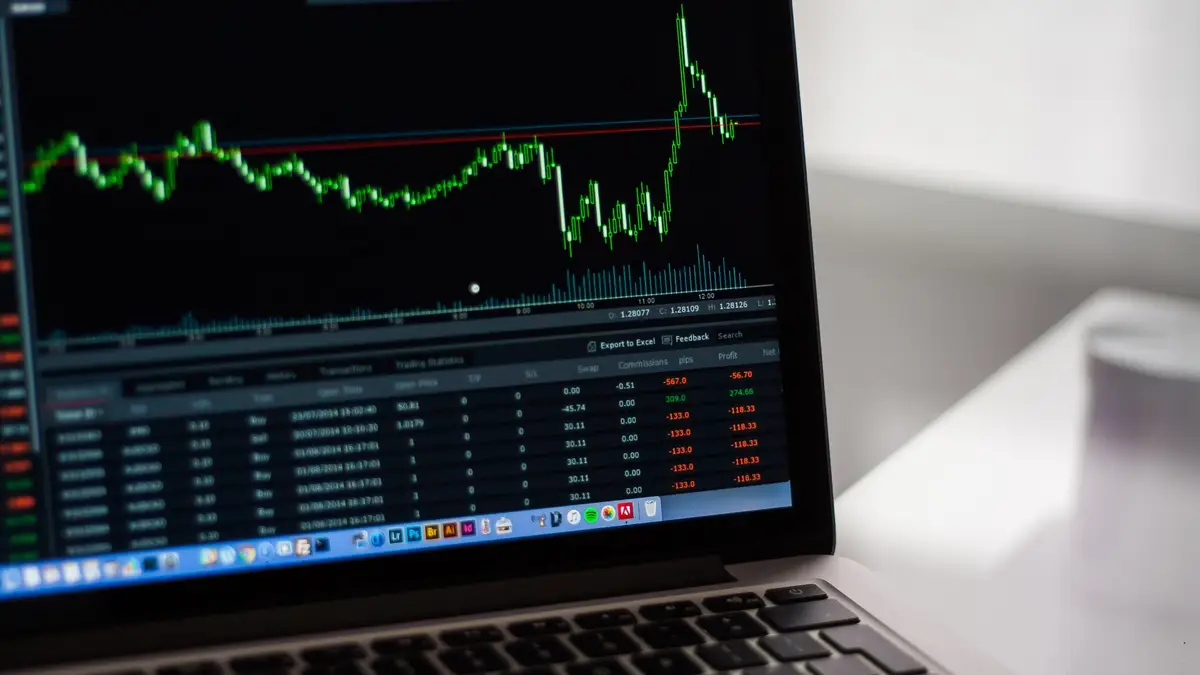
Photo: Negative Space / CC0 1.0
Ask us. We read every question and reply by email when you leave one.
Investing
Crypto is legal in Pakistan in 2026 as a regulated activity under the Virtual Assets Act 2026. As of 8 Oct 2026 PVARA lists no licensed exchange.
Investing
Investment options in Pakistan side by side: National Savings, PSX, mutual funds, property, gold, forex and crypto, with dated returns, regulator, tax and risk.
Loans & Home Finance
Loan apps in Pakistan approved by SECP (Dec 2025 and Jul 2026 lists), how to spot an illegal app, the caps on charges and where to complain about harassment.