Investing
How to buy crypto in Pakistan: the routes, the law and the risks
No crypto exchange is fully licensed by PVARA as of 8 Oct 2026. How people buy crypto in Pakistan, what the law allows, and the P2P and bank freeze risks.
Investing · Money
Crypto is regulated, not banned, in Pakistan under the Virtual Assets Act 2026. As of 8 Oct 2026 PVARA lists no licensed exchange. Dated timeline and sources.
AI Summary
Crypto is now regulated in Pakistan rather than banned. The Virtual Assets Act, 2026 came into force on 5 March 2026 and made PVARA the licensing regulator for crypto businesses. Crypto is not legal tender. As of 8 October 2026, PVARA's website names no fully licensed exchange; Binance and HTX hold no-objection certificates, which Dawn reported do not let them operate yet. SBP replaced its 2018 bank restrictions on 14 April 2026, but banks may serve only PVARA-licensed firms fully.
Yes, crypto is legal in Pakistan as a regulated activity, not a banned one. The Virtual Assets Act, 2026 came into force on 5 March 2026 and made PVARA (Pakistan Virtual Assets Regulatory Authority) the licensing body for crypto businesses. But as of 8 October 2026, PVARA’s website names no fully licensed exchange, and crypto is not legal tender.
Fully licensed crypto exchanges in Pakistan
None listed
PVARA licensing page, checked 8 Oct 2026. Binance and HTX hold NOCs, not licences.
What the law says today, as of 8 October 2026:
| Question | Answer | Source |
|---|---|---|
| Is crypto legal tender? | No | Virtual Assets Act 2026, section 3 |
| Who does the Act regulate? | Businesses that provide crypto services in or from Pakistan, and token issuers | Section 2 |
| Can a firm serve Pakistanis without a licence? | No. Up to 5 years in jail, a fine up to Rs 5 crore (Rs 50 million), or both | Section 54(1) |
| Does a foreign app count? | Yes, if it targets, promotes to or onboards people in Pakistan | PVARA FAQ |
| Any fully licensed exchange? | None named by PVARA | PVARA licensing page |
| Can banks deal with crypto firms? | Only with PVARA-licensed firms (limited-purpose accounts for NOC holders) | SBP BPRD Circular Letter No. 10 of 2026 |
The Act’s offences are aimed at providers and issuers. It does not list an offence for an individual simply holding crypto. It also says that where it clashes with other laws it prevails, except the Foreign Exchange Regulation Act, 1947, so foreign-exchange rules on sending money abroad still apply in full.
| Date | Official action |
|---|---|
| 6 Apr 2018 | SBP BPRD Circular No. 03 of 2018: virtual currencies are not legal tender, no one is licensed to deal in them, and banks and payment firms must not help customers transact in them |
| 5 Mar 2025 | Finance Ministry appoints Bilal Bin Saqib as chief adviser on the new Pakistan Crypto Council |
| 2 Jun 2025 | Pakistan Crypto Council, chaired by the Finance Minister, discusses a draft law and an independent regulator |
| 8 Jul 2025 | Virtual Assets Ordinance promulgated, creating PVARA |
| 12 Dec 2025 | PVARA announces NOCs for Binance and HTX |
| 4 Mar 2026 | President signs the Virtual Assets Act, 2026 (Act No. XIII of 2026) |
| 5 Mar 2026 | Act published in the Gazette; in force at once |
| 14 Apr 2026 | SBP BPRD Circular Letter No. 10 of 2026 replaces the 2018 circular; banks may open accounts for PVARA-licensed firms |
| 26 Apr 2026 | PVARA advisory: crypto pilots and partnerships serving Pakistan need its prior approval |
| 23 Aug 2026 | Licensing regulations notified and licensing portal opened (reported by The Nation) |
| 5 Sep 2026 | Deadline for existing crypto firms to apply for an NOC or stop operating |
The 2018 SBP circular is the source of the old “crypto is banned” idea. It barred banks and payment firms, not individuals, and told them to report any crypto transaction to the Financial Monitoring Unit as suspicious.
SBP replaced it with immediate effect on 14 April 2026. Under the new circular, a bank must check a crypto firm’s PVARA licence with PVARA before opening its account. Client money sits in separate rupee accounts with no cash deposits or withdrawals. Firms holding only an NOC get limited-purpose accounts to finish their licence formalities. Banks still may not invest in, trade or hold crypto with their own money or customer deposits.
PVARA gave Binance and HTX no-objection certificates (NOCs), announced on 12 December 2025. Dawn reported on 19 December 2025 that the NOCs let them register on the anti-money-laundering system and prepare full licence applications, but “do not permit them to operate at this stage”. Arab News quoted PVARA saying an NOC is not a full operating licence.
PVARA’s licensing page says an NOC lasts three months, and it still names no licensed provider as of 8 October 2026.
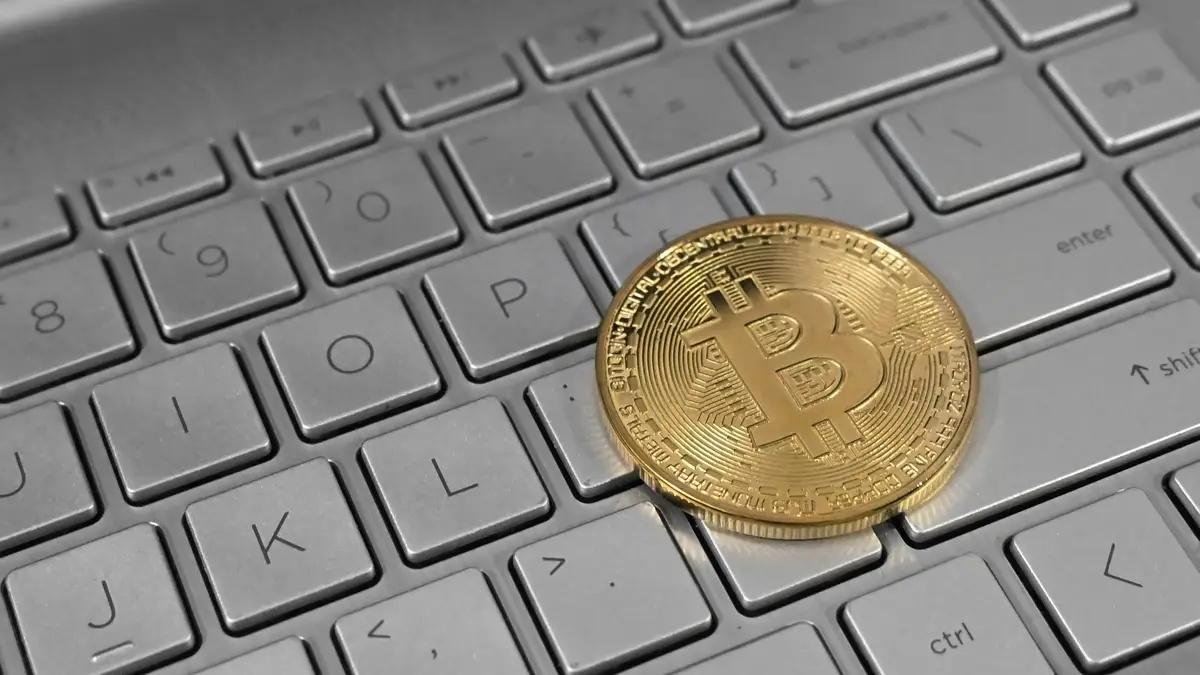
Bitcoin is a virtual asset under the Act. Holding it is not listed as an offence, but it is not legal tender, so no one has to accept it as payment. Any business selling it to you in Pakistan needs a PVARA licence, and none is listed yet.
There is no crypto-specific tax rule yet. FBR’s Income Tax Ordinance, as amended up to 30 June 2026, does not mention virtual assets or crypto. In June 2026, an FBR official told Arab News that crypto is already taxable under existing law, with sale gains treated as capital gains and mining as business income. A 10% to 20% crypto tax was being discussed for the 2026-27 budget, but it is not in the ordinance text.
For how people actually buy crypto and the risks involved, see how to buy crypto in Pakistan. For regulated alternatives, see investment options in Pakistan.
More guides: Investing, is forex trading legal in Pakistan, how to file an income tax return.
Crypto is regulated, not banned, under the Virtual Assets Act, 2026, in force since 5 March 2026. Businesses need a PVARA licence to offer crypto services to people in Pakistan, and as of 8 October 2026 PVARA names no fully licensed provider.
PVARA gave Binance and HTX no-objection certificates in December 2025. Dawn reported on 19 December 2025 that these do not permit them to operate at this stage; they are a step toward a full licence.
No. The Virtual Assets Act, 2026 says virtual assets are not legal tender, the same position SBP took in April 2018.
FBR's Income Tax Ordinance, as amended to 30 June 2026, has no crypto-specific section. An FBR official told Arab News in June 2026 that crypto gains are already taxable as capital gains under existing law.
Photo: CryptoWallet.com / CC BY 2.0
Investing
No crypto exchange is fully licensed by PVARA as of 8 Oct 2026. How people buy crypto in Pakistan, what the law allows, and the P2P and bank freeze risks.
Investing
To invest in PSX you open an account with one of 209 active SECP-licensed brokers, fund it from your bank, and buy shares in lots of one. Steps, costs and tax.
Investing
Investment options in Pakistan side by side: National Savings, PSX, mutual funds, property, gold, forex and crypto, with dated returns, regulator, tax and risk.